Tips for Hiring Toronto Electricians
Ensure Your Home's Safety: Critical Services Delivered by Licensed Electricians
Certified electricians offer vital services that strengthen residential safety. They resolve typical electrical concerns and carry out scheduled inspections to identify potential hazards. These professionals guarantee that installations meet safety standards while also advising on enhancements to older systems. Understanding these essential services can avoid emergencies and preserve property value. Homeowners may wonder what exact concerns electricians handle and how to find the most suitable specialist for their requirements.
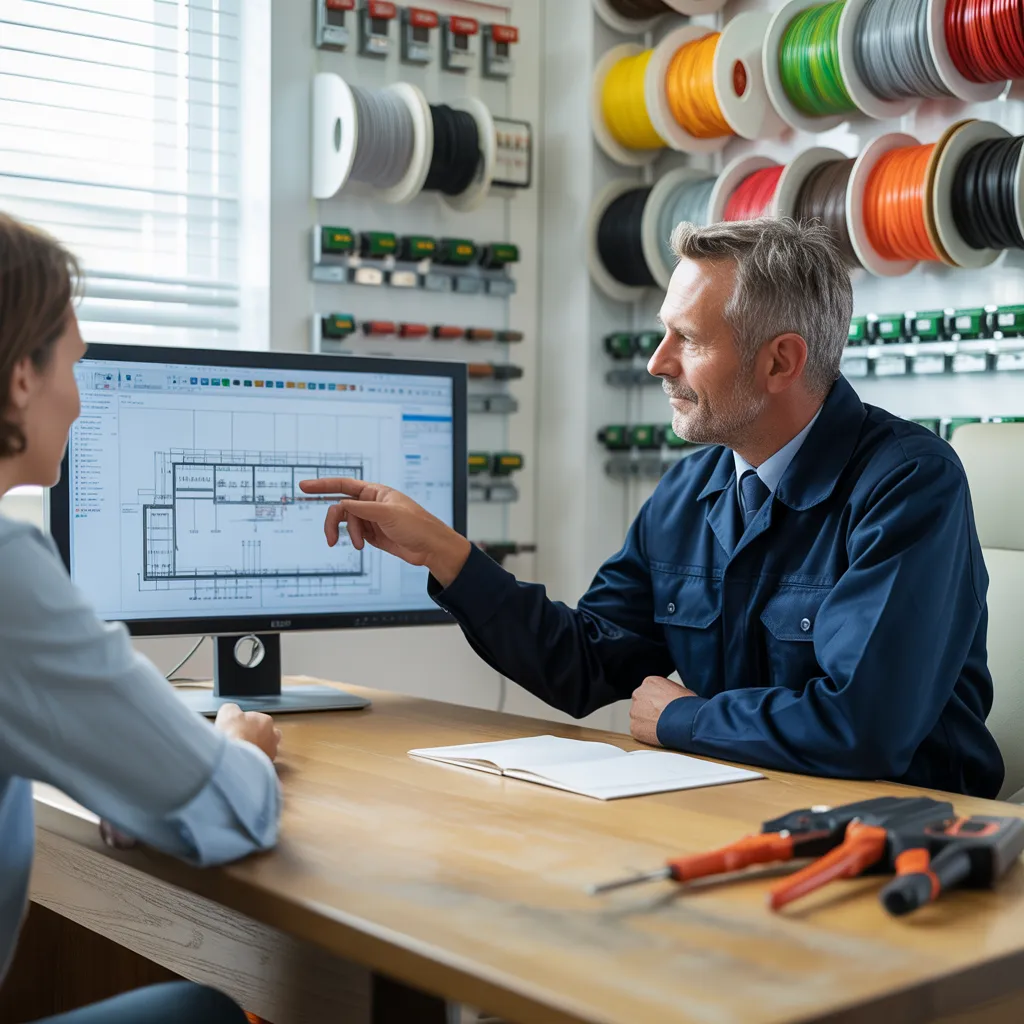
Typical Electrical Problems and How to Address Them
Electrical problems have the potential to affect daily activities, making it essential to recognize common problems and their solutions. Lights that flicker, for instance, commonly stem from unsecured bulbs or damaged wiring. Reinforcing connections or installing new bulbs can eliminate this concern. Overloaded circuits, marked by consistent breaker interruptions, can be addressed by spreading appliances across multiple circuits or installing a new electrical panel.
Another prevalent problem involves outlets that stop functioning, which might be caused by tripped breakers or deteriorated wiring. Evaluating the breaker and reviewing the outlet can aid in pinpointing the issue. Finally, ground fault circuit interrupters (GFCIs) can activate unexpectedly as a result of moisture or defective devices; resetting the GFCI or substituting defective devices can reestablish proper operation. Recognizing these common electrical problems enables homeowners to address issues promptly, maintaining security and optimal performance within their residences.
The Importance of Regular Electrical Inspections
While many homeowners tend to underestimate the significance of scheduled electrical evaluations, these assessments are vital for ensuring the safety and efficiency of any home. Regular inspections identify common dangers including faulty wiring, outdated systems, and overloaded circuits, potentially causing fire hazards or critical equipment breakdowns. By addressing these issues proactively, residents can eliminate unnecessary repair costs and maintain compliance with electrical safety codes.
In addition, inspections play a key role in identifying energy inefficiencies, facilitating changes that contribute to lower utility bills. Professional electricians are equipped to recognize delicate signs of aging and wear that remain invisible to those without specialized knowledge. Beyond that, scheduled inspections commonly improve the durability of electrical components and appliances, supporting the long-term value of the home. When all is considered, prioritizing regular electrical inspections is a significant step in safeguarding those living in the home as well as the home's long-term integrity.
How Inspections Contribute to Safe Installations
Regular electrical inspections play a pivotal role in making certain that installations are completed safely and properly. Such inspections enable certified electricians to assess current wiring, outlets, and fixtures, detecting potential dangers or code violations before new installations begin. By assessing the general state of the electrical system, electricians can address issues such as outdated wiring or inadequate grounding, which may pose a threat to safety.
In addition, inspections offer a chance to confirm that all parts comply with modern safety requirements. This preventative approach not only improves the safety of the installation but also shields homeowners from potential electrical failures or dangers. Licensed electricians utilize their expertise to recommend necessary upgrades or modifications, ensuring that all installations align with best practices. Ultimately, regular inspections cultivate a safer living environment, providing homeowners with greater peace of mind while minimizing the likelihood of electrical fires or failures down the line.
Upgrade Your Electrical Panel for Safety
Upgrading a home electrical panel is a essential step in enhancing get more info the safety of a home. An old electrical panel can present significant risks, including electrical fires and equipment damage. Professional electricians recommend this upgrade to support current electrical needs and guarantee stable electrical distribution.
Newer panels come equipped with advanced safety features, such as circuit breakers that promptly interrupt electrical flow when overloads or faults occur. This reduces the chances of overheating and related dangers. Furthermore, an upgrade frequently enables the addition of more circuits, supporting the growing number of electronic devices found in modern homes.
Homeowners could observe flickering lights, frequent circuit breaker trips, or a burning smell, each of which suggests that an electrical upgrade may be required. Consulting a licensed electrician can provide insights into whether an electrical panel upgrade is warranted, ensuring a safer living environment while meeting the demands of contemporary electrical usage.
What to Do in an Electrical Emergency
Electrical incidents can emerge at any moment, often emphasizing the significance of a properly maintained electrical panel. In such situations, swift action is necessary to guarantee safety. Initially, people should remain calm and examine what is happening. If there is smoke or flames, exiting the area and reaching out to emergency services is paramount. For electric shock incidents, it is important not to make direct contact with the victim and instead utilize a non-conducting material to remove them from the electrical hazard.
If a power outage occurs, examining the circuit breaker is a sensible action ahead of calling a licensed electrician. When unusual odors or buzzing sounds emerge from outlets, it is necessary to disconnect appliances and avoid using them until a certified specialist can examine the system. In the end, keeping copyright details for a licensed electrician on hand can support rapid action in emergency circumstances, guaranteeing safety and minimizing potential damage.
How to Select the Best Licensed Electrician
What steps can someone take to ensure they choose the correct licensed electrician for their situation? First, it is essential to verify the electrician's license and insurance, ensuring compliance with local regulations. Additionally, gathering referrals from friends, family, or online reviews can offer valuable information about the electrician's dependability and standard of work.
Furthermore, you should inquire about the electrician's background and expertise, as some may focus on home electrical work while others excel in commercial installations. Asking for a detailed estimate, that includes labor and materials, is helpful for making cost comparisons and eliminating unexpected fees.
In addition, considering communication abilities is crucial; a good electrician should communicate problems clearly and address questions thoughtfully. Finally, verifying warranties on completed work can demonstrate a focus on quality. By weighing these considerations, homeowners can make informed decisions, guaranteeing safety and satisfaction with their chosen electrician.
Commonly Asked Questions
What Qualifications Should I Look for in a Licensed Electrician?
When seeking a certified electrician, it is essential to prioritize important factors such as appropriate licensing, necessary certifications, extensive experience, strong client testimonials, and compliance with safety standards, ensuring both competency and reliability in electrical services.
How Much Do Electrical Services Usually Cost?
Electrical services typically range at $50 to $100 per hour, depending on the complexity of the job and the electrician's experience. Further expenses may be added for supplies, permits, or urgent services beyond standard working hours.
Do Warranties Exist for Electrical Work?
A large number of licensed electricians extend workmanship guarantees for their services, commonly covering both materials and workmanship for a predetermined length of time. This guarantees customer satisfaction and offers confidence about the overall quality and lasting performance of the electrical work executed.
Can I Perform Electrical Work Myself?
Even though homeowners might consider tackling electrical work independently, it is generally not advisable. Professional electricians have the skills and understanding required to ensure safety and adherence to regulations, minimizing the risk of accidents and potential hazards.
How Often Should I Schedule Electrical Inspections?
Homeowners should plan electrical system inspections every 3 to 5 years, or more frequently if problems arise. Routine evaluations assist in identifying possible dangers, guaranteeing protection and adherence with existing electrical codes and regulations.